The seerah model

Leadership, studied through a life

Qiyaadah studies the life of the Prophet Muhammad (peace be upon him) as a working model of leadership. Every lesson on this page carries its source.

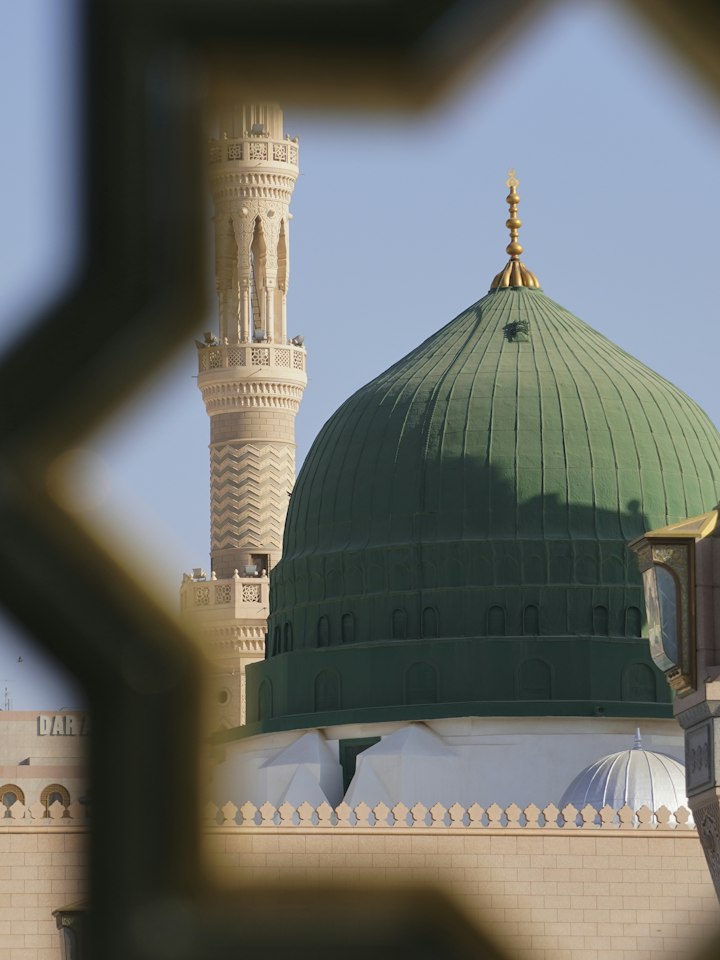
The green dome of the Prophet's Mosque in Madinah, seen through a star-shaped lattice
The Green Dome, the Prophet's Mosque, Madinah
Two words

What the name means

قيادة

Qiyaadah

Qiyaadah is the Arabic word for leadership.

سيرة

Seerah

Seerah means a path through life. It is the name given to the life story of the Prophet Muhammad (peace be upon him).

The Qur'an calls him “an excellent example” (Al-Qur'an 33:21). That is why his life can be studied as a model.

The starting point

Leadership is a trust

In this model a position is not a prize. It is a trust, called amanah, and the person who holds it must answer for it.

Leadership is also not kept for the few. Every person answers for someone: a parent, a manager, a teacher, a public servant.

“Authority is a trust.”

Source: Sahih Muslim 1825

“Everyone of you is a guardian and is responsible for his charges.”

Source: Sahih al-Bukhari 7138

وشاورهم في الأمر “and consult them in the matter”
One verse

Five steps for a leader

One verse of the Qur'an sets out a whole way of leading. Be gentle with people. Pardon them, and pray for their forgiveness. Consult them. Then decide, and place your trust in God.

The order matters. Gentleness comes first, and the decision comes after the consultation.

  1. Gentleness01
  2. Pardon02
  3. Consultation03
  4. Decision04
  5. Trust in God05
One verse, five steps · Al-Qur'an 3:159
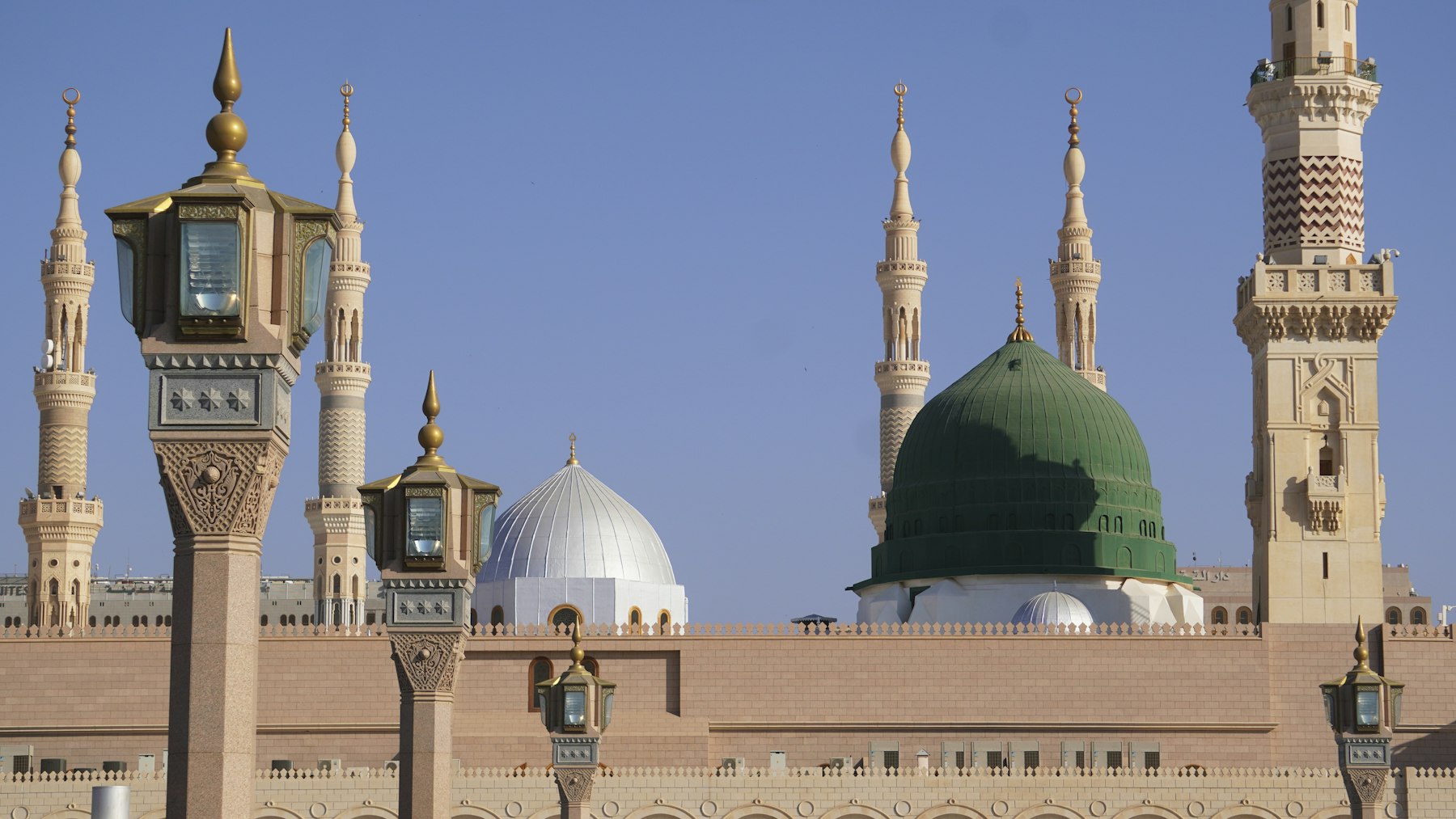
The minarets and green dome of the Prophet's Mosque in Madinah under a clear sky
The Prophet's Mosque, Madinah
The model at work

Six moments, six lessons

Each moment below comes from a well-supported report. Follow the source link to read it in full.

01

Planning the Hijrah

In 622 the Prophet ﷺ left Mecca for Medina. The journey was prepared well ahead. Abu Bakr kept two camels ready for four months. They hired an expert guide, stayed three nights in a cave, and received news from Mecca each night.

The lessonPrepare fully. Then trust God with what you cannot control.

Source: Sahih al-Bukhari 3905

02

Consulting before Badr

When news came that an army was approaching, the Prophet ﷺ consulted his companions. Abu Bakr spoke, then Umar. He kept listening until a leader of the people of Medina stood up and pledged their support.

The lessonKeep asking until every group whose support you need has spoken.

Source: Sahih Muslim 1779

03

The Treaty of Hudaybiyyah

In 628 he agreed a treaty whose terms looked like a loss to his companions, and they were slow to follow his instruction. His wife Umm Salamah advised him to act first and say nothing. He did so, and they followed.

The lessonThink long term. Take good advice. Lead by doing.

Source: Sahih al-Bukhari 2731

04

The amnesty at Mecca

In 630 he entered Mecca, the city that had driven him out. He announced that whoever entered the house of Abu Sufyan was safe, and whoever stayed behind a closed door was safe.

The lessonShow mercy at the moment you hold the most power.

Source: Sahih Muslim 1780

05

Briefing Mu'adh for Yemen

When he sent Mu'adh ibn Jabal to Yemen, he told him whom he would meet and what to teach first, one step at a time. He ended with a warning: do not take the best of people's wealth, and fear the prayer of anyone you wrong.

The lessonBrief people clearly. Put first things first. Warn against the abuse of power.

Source: Sahih al-Bukhari 1496

06

Appointing Usama ibn Zayd

He appointed Usama ibn Zayd to command an army, and some people criticised the choice. He stood up and defended it. He reminded them that they had criticised Usama's father too, who had deserved to lead.

The lessonChoose with care, and stand by the people you appoint.

Source: Sahih al-Bukhari 4469

Our method

How we handle sources

A model is only as sound as the reports it stands on. These three rules guide every lesson we draw from the seerah.

  1. 01Every lesson carries its source. A reader can check each one.
  2. 02We prefer the best-supported reports. Where a well-loved story rests on a weak report, we say so.
  3. 03We separate what can be learned from what cannot be claimed. A leader can learn from the Prophet's character and method. No leader can claim his prophetic authority.
To be done before launch

This page is a draft written from research. Qiyaadah's own scholars must read and approve every line of it before the site goes live.

Qiyaadah Think Tank · Sandton

Think ahead. Lead well.

Book a thoughtshare call on WhatsApp: +27 83 564 7929

Book a thoughtshare call